
Contents
- 🥨 The Humble Butter Pretzel: A Culinary Icon
- 🧈 The Alchemy of Butter: Elevating the Pretzel
- 📜 A Twisted History: From Monks to Modern Munchies
- 👩🍳 Mastering the Dough: The Art of the Soft Pretzel
- 🧀 Beyond Classic: Savory Butter Pretzel Creations
- 🍓 Sweet Surrender: Decadent Butter Pretzel Variations
- 🍯 The Perfect Pairing: Dipping Sauces for Butter Pretzels
- 💡 Pro Tips for Pretzel Perfection: Achieving That Golden Crust
- 🌍 Global Twists: Butter Pretzels Around the World
- ✨ The Future of the Butter Pretzel: Innovation and Tradition
- Frequently Asked Questions
- Related Topics
Overview
Butter pretzels are more than just a snack; they represent a confluence of simple ingredients elevated to artisanal status. This site explores the rich history and diverse applications of the butter pretzel, from its humble origins to its modern iterations. We delve into the techniques that yield that perfect, buttery crust and the myriad ways to customize this beloved treat. Whether you're a novice baker seeking a foolproof classic recipe or an enthusiast eager to experiment with sweet and savory variations, Butter Pretzels offers a comprehensive guide to mastering this doughy delight. Our aim is to bring families together, one delicious, buttery bite at a time.
🥨 The Humble Butter Pretzel: A Culinary Icon
The butter pretzel, a seemingly simple yet profoundly satisfying baked good, stands as a testament to the power of humble ingredients. Far from being just another snack, it represents a confluence of tradition, comfort, and culinary artistry. At its heart, the butter pretzel is an evolution of the classic soft pretzel, where the addition of butter infuses the dough with a richness and tenderness that transforms the eating experience. This isn't merely about adding fat; it's about unlocking a deeper flavor profile and a more luxurious texture, making it a beloved treat for families and discerning bakers alike.
🧈 The Alchemy of Butter: Elevating the Pretzel
The magic of the butter pretzel lies in the judicious incorporation of butter. Whether melted into the dough, brushed onto the surface before baking, or a combination of both, butter imparts a golden hue, a delicate crispness to the crust, and a moist, yielding crumb. This fat not only enhances flavor but also contributes to the pretzel's signature soft chew, differentiating it from its drier, cracker-like counterparts. The quality of the butter itself—be it unsalted, salted, or even cultured—can subtly alter the final taste, offering a spectrum of buttery nuances for the adventurous baker.
📜 A Twisted History: From Monks to Modern Munchies
The pretzel's lineage traces back to early Christian monks in Europe, possibly as far back as the 7th century, who are said to have created them as rewards for children learning their prayers, their twisted shape mimicking arms in prayer. The soft pretzel, a precursor to our modern butter-laden versions, gained popularity in Germany and later spread to America with German immigrants. The addition of butter likely emerged organically as bakers sought to enhance the flavor and texture of this already beloved dough, solidifying its status as a comfort food staple.
👩🍳 Mastering the Dough: The Art of the Soft Pretzel
Crafting the perfect soft butter pretzel dough is an exercise in patience and technique. It typically begins with a simple mixture of flour, water, yeast, and salt, but the addition of butter requires careful consideration. Over-kneading can develop too much gluten, resulting in a tough pretzel, while under-kneading leaves it dense. The crucial step of boiling the shaped dough in a baking soda solution before baking is what gives pretzels their characteristic chewy texture and deep brown crust. Achieving the right balance is key to a tender interior and a satisfyingly crisp exterior.
🧀 Beyond Classic: Savory Butter Pretzel Creations
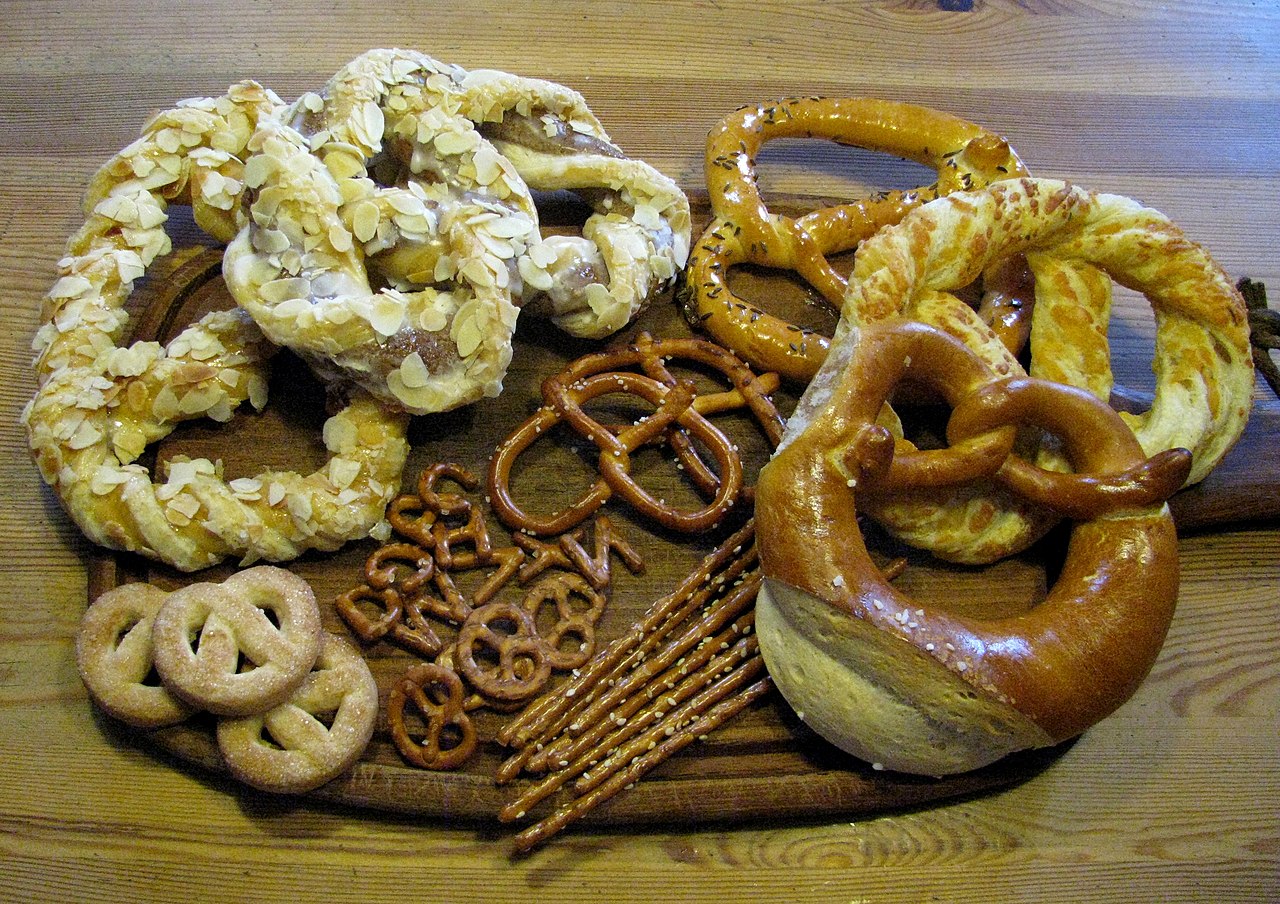
While the classic salted butter pretzel reigns supreme, the category of savory butter pretzel variations is vast and exciting. Imagine a cheesy butter pretzel, studded with sharp cheddar or Gruyère, the melted cheese mingling with the rich dough. Or perhaps a garlic and herb butter pretzel, infused with fragrant rosemary, thyme, and minced garlic, brushed with garlic-infused butter before baking. These variations transform the pretzel from a simple snack into a sophisticated appetizer, perfect for gatherings and game nights.
🍓 Sweet Surrender: Decadent Butter Pretzel Variations
The sweet side of the butter pretzel offers an equally compelling array of possibilities. Think of a chocolate-dipped butter pretzel, where the salty-sweet contrast is amplified by dark, milk, or white chocolate. Or consider a cinnamon sugar butter pretzel, dusted with a warm blend of cinnamon and sugar, evoking the comforting flavors of a pastry shop. These sweet iterations are perfect for dessert or as a delightful treat for younger palates, proving the butter pretzel's versatility.
🍯 The Perfect Pairing: Dipping Sauces for Butter Pretzels
No butter pretzel experience is complete without the perfect dipping sauce. The classic choices often include spicy brown mustard or a creamy cheese sauce, both providing a tangy counterpoint to the pretzel's richness. For those with a sweeter inclination, a rich caramel sauce or a velvety chocolate ganache can elevate a dessert pretzel to new heights. The ideal sauce complements, rather than overwhelms, the nuanced butter flavor of the pretzel itself.
💡 Pro Tips for Pretzel Perfection: Achieving That Golden Crust
Achieving that coveted golden-brown crust on a butter pretzel isn't just about aesthetics; it's a sign of proper caramelization and texture. A crucial step is the baking soda bath, which alkaline solution helps to create that signature sheen and chewy interior. Brushing the shaped dough with a melted butter glaze before baking adds further richness and aids in browning. Ensuring your oven is at the correct temperature and avoiding overcrowding the baking sheet are also vital for even cooking and a superior crust.
🌍 Global Twists: Butter Pretzels Around the World
While the American-style soft butter pretzel is widely recognized, variations exist globally. In Germany, 'Brezeln' are a staple, often larger and less intensely buttery than their American cousins, but still a beloved comfort food. Some regions experiment with regional cheeses or spices baked directly into the dough. The ongoing evolution of pretzel-making, fueled by home bakers and artisanal bakeries, suggests a future where the butter pretzel continues to adapt, incorporating global flavors and techniques while staying true to its comforting roots.
✨ The Future of the Butter Pretzel: Innovation and Tradition
The future of the butter pretzel is a dynamic space, balancing the preservation of tradition with the drive for innovation. We're seeing a rise in artisanal bakeries pushing the boundaries with unique flavor infusions and sophisticated toppings, while home bakers continue to explore new recipes and techniques. The increasing interest in artisanal baking and comfort food suggests that the butter pretzel will remain a cherished item, its adaptability ensuring its relevance for generations to come. The question remains: will the next big trend be a radical departure or a subtle refinement of this beloved classic?
Key Facts
- Year
- 2023
- Origin
- Butter Pretzels (butterpretzels.com)
- Category
- Pretzel Variations
- Type
- Food Product
Frequently Asked Questions
What makes a butter pretzel different from a regular soft pretzel?
The primary difference lies in the addition of butter. Butter is incorporated into the dough, brushed on the surface, or both, which imparts a richer flavor, a more tender crumb, and a distinct golden hue to the pretzel. This elevates the classic soft pretzel into a more decadent treat, enhancing both its taste and texture.
Can I use salted or unsalted butter for butter pretzels?
Both salted and unsalted butter can be used, depending on your preference. Unsalted butter gives you more control over the final saltiness of the pretzel, especially if you plan to add extra salt on top. Salted butter can contribute an extra layer of flavor, but be mindful of the overall salt content, particularly if using a salted pretzel salt.
What is the purpose of the baking soda bath for pretzels?
The baking soda bath is crucial for achieving the characteristic chewy texture and deep brown crust of soft pretzels. When the dough is dipped in an alkaline solution (like baking soda and water), it causes the starches on the surface to gelatinize and undergo Maillard reactions more readily during baking, resulting in that signature glossy, chewy exterior.
Are butter pretzels healthier than regular pretzels?
Generally, butter pretzels are less healthy due to the added fat content from butter. While they offer more flavor and a richer texture, they typically contain more calories and fat compared to plain soft pretzels. However, 'healthy' is subjective and depends on portion size and overall dietary context.
What are some popular savory butter pretzel variations?
Popular savory variations include cheese-infused pretzels (like cheddar or Parmesan), garlic and herb pretzels (with rosemary, thyme, or chives), and even spicy versions incorporating jalapeños or chili flakes. These additions complement the buttery dough and can be enhanced with various toppings.
How can I store homemade butter pretzels?
Homemade butter pretzels are best enjoyed fresh. For short-term storage, keep them in an airtight container at room temperature for up to two days. To reheat, a few minutes in a warm oven or toaster oven can help restore their crispness. They can also be frozen for longer storage; thaw at room temperature and reheat as needed.