
Contents
- 🎵 Origins & History
- ⚙️ How It Works
- 📊 Key Facts & Numbers
- 👥 Key People & Organizations
- 🌍 Cultural Impact & Influence
- ⚡ Current State & Latest Developments
- 🤔 Controversies & Debates
- 🔮 Future Outlook & Predictions
- 💡 Practical Applications
- 📚 Related Topics & Deeper Reading
- Frequently Asked Questions
- References
- Related Topics
Overview
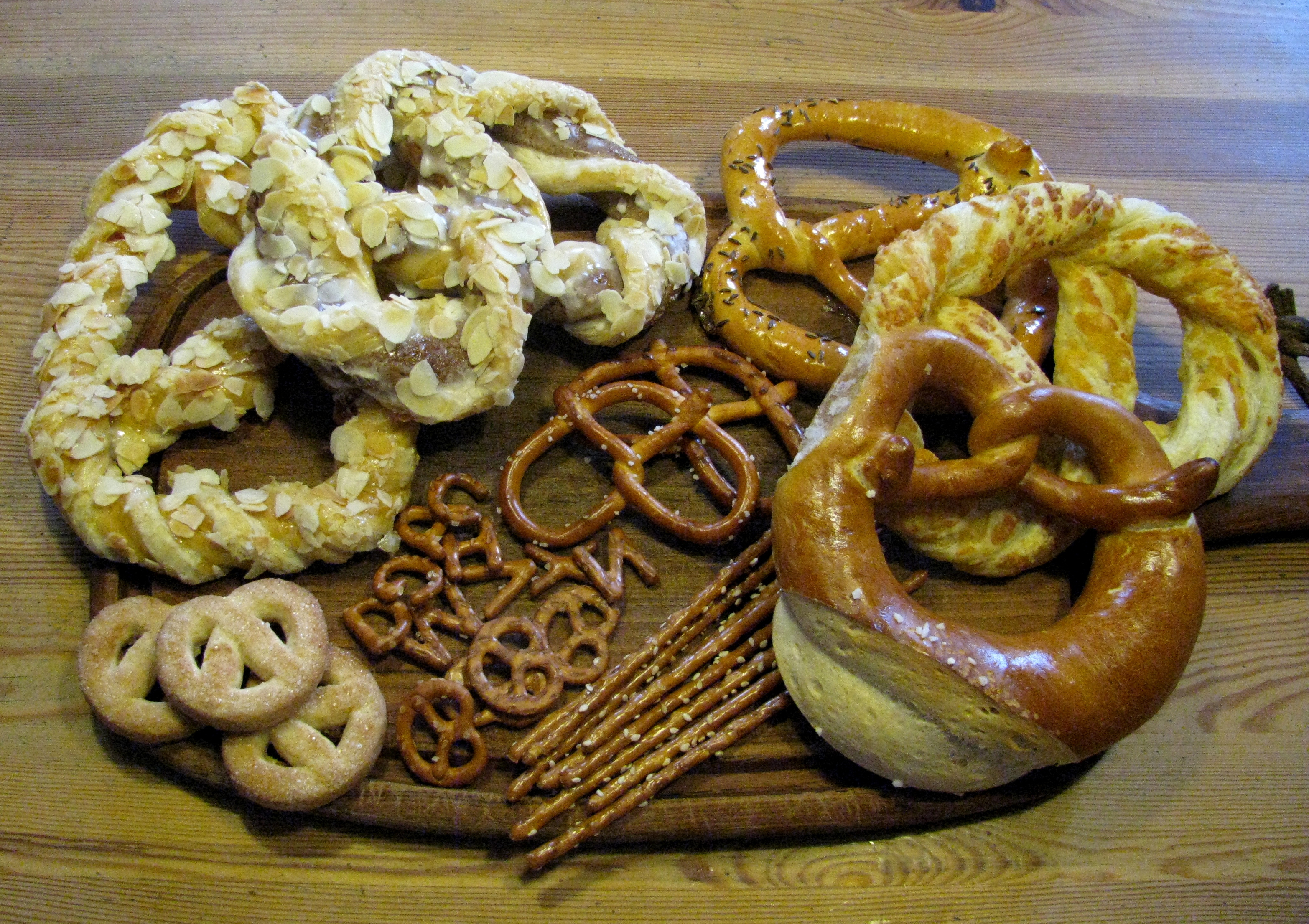
Soft pretzels are a type of baked pastry made from dough that is commonly shaped into a knot, with a distinctive symmetrical form and a soft, chewy texture. They are often topped with salt, mustard, cheese, or other seasonings, and are a popular snack at ballparks, festivals, and other public events. With a history dating back to medieval Europe, soft pretzels have evolved over time to include various shapes, textures, and flavors, but their traditional skin and flavor remain a staple of the pretzel-making process. Today, soft pretzels are enjoyed worldwide, with many bakeries and pretzel shops offering their own unique twists on the classic recipe. Whether you're a fan of classic salted pretzels or prefer more adventurous flavors, soft pretzels are a delicious and satisfying treat that's sure to please. With over 1.4 billion pretzels consumed in the United States alone each year, it's clear that soft pretzels have become a beloved snack around the world. According to a survey by the National Pretzel Bakers Association, 71% of Americans prefer soft pretzels over hard pretzels, and the average American consumes around 2 pounds of pretzels per year.
🎵 Origins & History
Origins paragraph — Soft pretzels have a rich history that dates back to medieval Europe, where they were first made by monks in the early Middle Ages. The first pretzels were made from dough that was shaped into a knot and then baked, creating a crispy exterior and a soft interior. Over time, pretzels became a popular snack throughout Europe, with different regions developing their own unique recipes and traditions. Today, soft pretzels are enjoyed worldwide, with many bakeries and pretzel shops offering their own unique twists on the classic recipe. For example, the Bavarian Pretzel Company in Germany has been making traditional soft pretzels for over 200 years, using a secret recipe that has been passed down through generations.
⚙️ How It Works
How it works — The process of making soft pretzels is relatively simple, but it requires a bit of skill and practice to get it just right. First, the dough is mixed and kneaded, and then it's shaped into the desired form. The pretzels are then dipped in a bath of water and baking soda, which gives them their distinctive flavor and texture. Finally, the pretzels are baked in an oven until they're golden brown and crispy on the outside, and soft and chewy on the inside. Many pretzel shops, such as Auntie Anne's Pretzels, use a special type of oven that is designed specifically for baking pretzels, which helps to achieve the perfect texture and flavor.
📊 Key Facts & Numbers
Key facts — Soft pretzels are a popular snack that can be found at ballparks, festivals, and other public events. They're often topped with salt, mustard, cheese, or other seasonings, and they're a great source of carbohydrates and fiber. According to the National Pretzel Bakers Association, the average American consumes around 2 pounds of pretzels per year, and the pretzel industry is worth over $1.4 billion annually. In addition, soft pretzels are a versatile snack that can be enjoyed in a variety of ways, from classic salted pretzels to more adventurous flavors like chocolate-covered pretzels.
👥 Key People & Organizations
Key people — There are many people who have contributed to the popularity of soft pretzels over the years, from bakers and pretzel makers to entrepreneurs and business owners. One notable example is Julius Sturgis, who is often credited with inventing the first soft pretzel in the United States. Sturgis, a German immigrant, opened a pretzel bakery in Lancaster, Pennsylvania in the late 19th century, and his soft pretzels quickly became a hit with locals and visitors alike. Today, the Julius Sturgis Pretzel Bakery is still in operation, and it's a popular tourist destination for pretzel enthusiasts.
🌍 Cultural Impact & Influence
Cultural impact — Soft pretzels have had a significant impact on popular culture, from their appearance in movies and TV shows to their role in traditional festivals and celebrations. In many parts of the world, pretzels are a staple food that's enjoyed at social gatherings and special events. For example, in Germany, pretzels are a traditional part of Oktoberfest celebrations, and in the United States, they're a popular snack at baseball games and other sporting events. According to a survey by the National Pretzel Bakers Association, 62% of Americans associate pretzels with baseball, and 45% associate them with festivals and fairs.
⚡ Current State & Latest Developments
Current state — Today, soft pretzels are more popular than ever, with many bakeries and pretzel shops offering their own unique twists on the classic recipe. From classic salted pretzels to more adventurous flavors like chocolate-covered pretzels, there's a type of soft pretzel out there for everyone. In addition, the rise of social media has made it easier than ever for pretzel enthusiasts to share their love of soft pretzels with others, and to discover new and exciting pretzel-related content. For example, the Pretzel Lovers Unite Facebook group has over 100,000 members, and it's a great place to connect with other pretzel enthusiasts and share recipes and tips.
🤔 Controversies & Debates
Controversies — While soft pretzels are generally considered a harmless snack, there are some controversies surrounding their production and consumption. For example, some pretzel makers have been criticized for using artificial preservatives and additives in their products, which can be detrimental to human health. In addition, the pretzel industry has been impacted by issues like climate change and economic instability, which can affect the availability and affordability of pretzels. According to a report by the Food and Agriculture Organization, the pretzel industry is vulnerable to climate change, which can impact the quality and yield of wheat and other ingredients used in pretzel production.
🔮 Future Outlook & Predictions
Future outlook — As the demand for soft pretzels continues to grow, it's likely that we'll see even more innovative and creative pretzel products on the market. From artisanal pretzel bakeries to pretzel-themed restaurants and bars, there are many exciting developments on the horizon for pretzel enthusiasts. In addition, the rise of online shopping and delivery has made it easier than ever for people to get their hands on soft pretzels, no matter where they live. According to a report by the Market Research Firm, the online pretzel market is expected to grow by 15% annually over the next five years, driven by increasing demand for convenience and flexibility.
💡 Practical Applications
Practical applications — Soft pretzels are a versatile snack that can be enjoyed in a variety of ways, from classic salted pretzels to more adventurous flavors like chocolate-covered pretzels. They're also a great source of carbohydrates and fiber, making them a popular choice for athletes and fitness enthusiasts. In addition, soft pretzels can be used as a base for other snacks and desserts, such as pretzel rods and pretzel bites. For example, the Pretzel Rod Company offers a range of pretzel-based snacks, including pretzel rods, pretzel bites, and pretzel balls.
Key Facts
- Year
- 1850
- Origin
- Europe
- Category
- pretzel-variations
- Type
- food
Frequently Asked Questions
What is the history of soft pretzels?
Soft pretzels have a rich history that dates back to medieval Europe, where they were first made by monks in the early Middle Ages. The first pretzels were made from dough that was shaped into a knot and then baked, creating a crispy exterior and a soft interior. Over time, pretzels became a popular snack throughout Europe, with different regions developing their own unique recipes and traditions.
How are soft pretzels made?
The process of making soft pretzels is relatively simple, but it requires a bit of skill and practice to get it just right. First, the dough is mixed and kneaded, and then it's shaped into the desired form. The pretzels are then dipped in a bath of water and baking soda, which gives them their distinctive flavor and texture. Finally, the pretzels are baked in an oven until they're golden brown and crispy on the outside, and soft and chewy on the inside.
What are some popular toppings for soft pretzels?
Soft pretzels are often topped with salt, mustard, cheese, or other seasonings. Some popular toppings include chocolate, cinnamon, and sweet glazing. You can also try more adventurous flavors like pretzel rods with cheese sauce or pretzel bites with mustard.
Are soft pretzels a healthy snack?
Soft pretzels can be a relatively healthy snack option, depending on the ingredients and toppings used. They are a good source of carbohydrates and fiber, and they can be a satisfying snack for athletes and fitness enthusiasts. However, some pretzels may contain artificial preservatives and additives, so it's always a good idea to check the ingredients and nutrition label.
Can I make soft pretzels at home?
Yes, you can make soft pretzels at home with a few simple ingredients and some basic kitchen equipment. You can find many recipes online or in cookbooks, and you can experiment with different toppings and flavors to create your own unique soft pretzel creations.
What is the cultural significance of soft pretzels?
Soft pretzels have a significant cultural impact, particularly in Europe and the United States. They are often associated with traditional festivals and celebrations, such as Oktoberfest and baseball games. In addition, soft pretzels are a popular snack at social gatherings and parties, and they are often used as a base for other snacks and desserts.
What is the future outlook for the soft pretzel industry?
The demand for soft pretzels is expected to continue growing in the coming years, driven by increasing demand for convenience and flexibility. The rise of online shopping and delivery has made it easier than ever for people to get their hands on soft pretzels, and many bakeries and pretzel shops are offering their own unique twists on the classic recipe.